


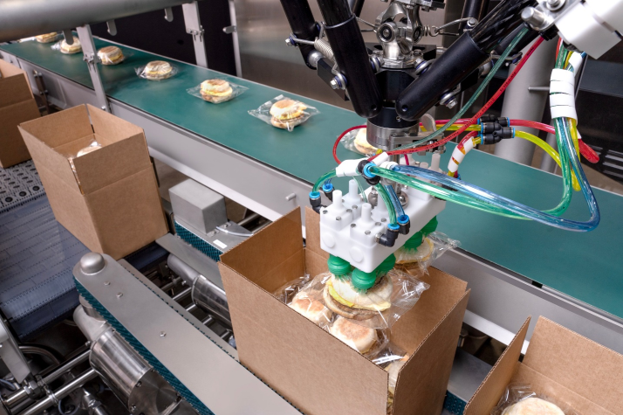
Modern production floors need equipment that reacts quickly without slowing the packaging cycle. Intelligent machines now guide cartons with smooth movement and accurate placement from start to finish. Many industries prefer case packers because they improve loading precision while reducing handling pressure on packaged goods. Advanced sensors track movement during every cycle and help maintain steady operation across long production hours. Small timing adjustments also improve product flow inside busy facilities. These systems support a cleaner carton arrangement and help avoid packaging mistakes that can delay shipping, sealing, or pallet preparation during continuous industrial output.
Advanced Loading Accuracy for Modern Carton Handling
Packing speed alone is not enough in large manufacturing environments. Accuracy matters just as much because damaged or misplaced products create expensive delays. Intelligent equipment now uses guided loading paths and synchronized motion systems to improve carton organization. Robotic placement features help products enter cartons evenly without rough handling or uneven spacing. Many operations also use automated checks to detect alignment problems before sealing begins. Modern Case packing systems support different packing styles while maintaining stable performance throughout changing production demands. This balance between speed and control helps facilities maintain cleaner workflows and stronger operational consistency daily.
Adaptive Packing Designs for Industrial Production Lines
Manufacturers often handle products with different shapes, weights, and packaging requirements during one production cycle. Intelligent packing layouts solve this challenge through adaptable machine structures and adjustable loading patterns. These systems allow quick changeovers between carton sizes without long shutdown periods. Flexible configurations also help businesses respond faster when packaging needs shift suddenly. Some machines include modular sections that expand production capacity without replacing the full system. Simple control panels improve operation and reduce training time for workers. This flexibility helps production lines maintain smooth packaging performance while supporting changing industrial output throughout demanding manufacturing schedules.
Integrated Automation for Smarter Packaging Efficiency
Automation now plays a major role in improving industrial packaging performance. Intelligent systems combine sensors, motion tracking, and real-time monitoring to maintain stable carton handling during fast operations. Data collection tools help operators identify slow points before they affect production targets. Some equipment also predicts maintenance needs, helping facilities avoid sudden downtime during heavy workloads. Integrated automation improves loading rhythm and supports cleaner transitions between packing stages. Better coordination across the packaging line reduces waste while maintaining accurate carton filling. These smart features continue helping industrial facilities improve packaging efficiency without creating unnecessary operational complexity for daily production teams.
Conclusion
Industrial packaging continues evolving as production facilities demand higher speed, accuracy, and flexibility from their equipment. Intelligent packing technology supports this shift by improving carton arrangement, reducing operational delays, and maintaining stable output across long manufacturing cycles. Advanced systems help facilities manage changing production requirements while supporting smoother packaging movement from loading through shipment preparation. Efficient automation also improves consistency and helps reduce material waste during large-scale operations.