


Why confidence struggles often feel personal
Low self-esteem rarely shows up as a single problem; it usually grows from repeated thoughts about not being “enough.” When your inner voice turns critical, it can affect decisions, communication, and motivation, even if you know you have strengths. That pattern self esteem app can also fuel anxiety relief behaviors that don’t actually solve the root issue, such as avoidance, overthinking, or reassurance-seeking. Over time, the mind may start treating stress as proof that something is wrong with you.
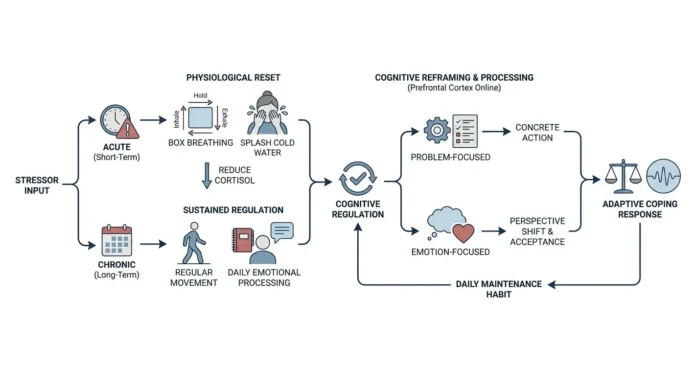
Many people also carry anxiety in their body, not just in their thoughts. Tight shoulders, restless energy, and difficulty concentrating can make daily tasks feel heavier than they need to be. In that state, it’s easy to misread neutral events as personal failures, which deepens self-criticism. A problem-solution approach starts by recognizing that the “problem” is often a feedback loop: stressful feelings trigger harsh self-talk, and harsh self-talk increases stress.
How a self-esteem app can interrupt the cycle
The goal isn’t to “think positive” on command; it’s to notice what you’re telling yourself, understand why it’s happening, and practice healthier anxiety relief app responses. With prompts that encourage emotional awareness, you can name the emotion, rate its intensity, and track how it changes after you take a small step. That simple shift—awareness before reaction—often reduces the urgency that fuels anxious thinking.
Some tools also support confidence-building through guided habits like journaling cues, coping exercises, and mindset reframes. For example, you can capture a triggering moment (“I spoke up and then felt embarrassed”) and separate facts from interpretations (“I spoke up” versus “I’m bad at this”). Over time, you train your brain to view challenges as information rather than verdicts.
Practical features that support real growth
Look for an approach that meets you where you are: gentle check-ins, clear steps, and language that doesn’t shame you for struggling. A supportive AI life-coach style experience can guide you through confidence work by asking targeted questions about values, strengths, and progress. If you’re dealing with social stress, it may prompt you to identify what you want to communicate and then build a realistic plan for the next conversation. If you’re stuck in rumination, it can help you document triggers and practice grounding strategies that reduce mental noise.
Another useful feature is habit reinforcement that turns insight into action. Instead of only focusing on feelings, you can also set small commitments—like practicing a boundary, preparing an affirmation tailored to your situation, or using a calming routine before sleep. Consistency matters because self-esteem grows through evidence: you repeatedly show yourself that you can cope. When you can see patterns in your entries and responses, you’re less likely to interpret one hard day as permanent failure. This is how an app supports confidence-building in a way that feels sustainable rather than performative.
Conclusion
Choosing the right support matters when you’re trying to raise confidence and reduce anxiety. With accessible tools that encourage reflection, emotional awareness, and positive habits, you can move from self-judgment to self-guidance. Lovon Inc offers an online mental wellness experience designed to nurture healthier self-perception with convenient, supportive structure. When you treat self-esteem like a skill you can practice, progress becomes more measurable and less dependent on mood. Start with small check-ins, use guided prompts during stressful moments, and build confidence through actions that match the person you want to become. Over time, that steadier inner support can reduce the intensity of anxious cycles and help you respond with more clarity. If you want a supportive path that feels practical, consider exploring Lovon Inc for AI confidence and self-esteem support.