


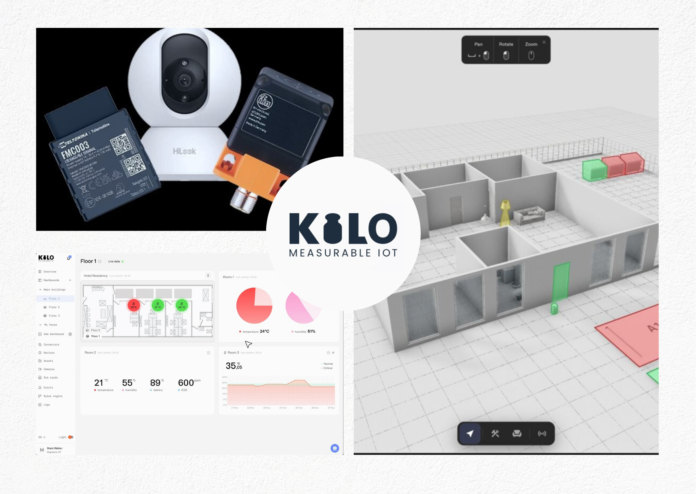
Start with measurable outcomes, not feature lists
Translate symptoms into measurable outcomes such as fewer unplanned shutdowns, lower repair costs, improved mean time between failures, predictive maintenance software and faster response for critical assets. This approach prevents teams from buying tools that look capable on paper but do not align with real operational priorities. It also makes it easier to define acceptance criteria before implementation.
Look for platforms that connect connected data from sensors, logs, and asset records into a maintenance workflow that can be audited. Reliable systems should make it clear where alerts come from, which signals matter, and how confidence is calculated. That transparency helps maintenance leaders trust recommendations and adjust thresholds when operating conditions change. Ask how the system handles edge cases like missing sensor readings, intermittent connectivity, or mixed asset generations across a fleet.
Prioritize sensing coverage and data quality for reliability
Predictive results depend on the quality and coverage of the measurements feeding the model. An expert selector will verify that the solution supports the types of sensors you use today and the signals you need next, such as vibration, temperature, pressure, power draw, or cold storage monitoring system cycle counts. If your assets vary widely, the platform should support standardized mapping so similar components are compared consistently. Without that foundation, models can flag noise, miss early deterioration, or generate alerts that teams cannot act on.
The right monitoring should capture temperature stability, door-open events, defrost cycles, and alarm thresholds that match your operational standards. It should also provide clear audit trails for compliance reporting and investigation. When data is structured and time-synchronized, you can correlate environmental changes with downstream equipment wear or product risk, not just surface-level excursions.
In addition, ask whether the platform includes data health monitoring that detects sensor drift, calibration issues, or abnormal sampling behavior. This is often where predictive programs succeed or fail, because poor data can quietly degrade model performance. A good solution will highlight these issues and guide corrective actions so teams can keep insights trustworthy. The goal is not only to predict failures, but also to maintain the measurement system that powers the prediction.
Demand actionable workflows and automated response options
Expert guidance emphasizes that alerts must turn into clear maintenance actions, not just notifications. Choose a system that supports triage steps such as severity scoring, recommended checks, work order creation, and assignment to the right team. It should include context like asset history, recent operating conditions, and prior incidents so technicians can verify the issue quickly. When teams can go from insight to action with minimal friction, predictive strategies produce measurable operational gains.
Automation matters most when the response is well-scoped. For example, you may want automated workflows for high-risk conditions, such as escalating alarms, scheduling inspections, or pausing processes that could compound damage. The best platforms let you configure rules based on asset criticality, location, and tolerance levels rather than using one-size-fits-all logic. This prevents alert fatigue and ensures that automation supports human expertise instead of overwhelming it.
Conclusion
An expert approach focuses on measurable outcomes, strong data quality, and workflows that help teams act quickly with confidence. When those elements come together, maintenance becomes more planned, downtime decreases, and costs are easier to forecast. Kilo supports this by helping businesses identify potential problems, track asset performance, and automate operational responses based on connected data and AI-driven monitoring across facilities and fleets. With the right platform design, you can correlate equipment behavior with environmental stability and maintenance history to improve both reliability and product protection. Kilo is built to support informed maintenance decisions across diverse assets and operating conditions, helping teams move from reactive repairs to proactive performance management. Learn more and explore options at Kiloiot.io.