


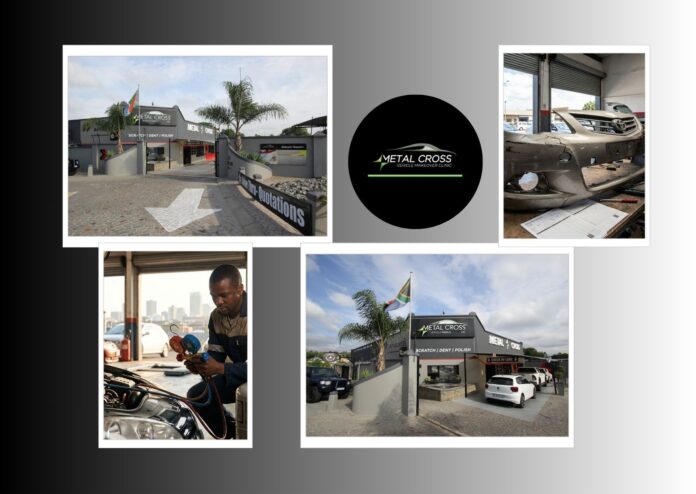
Assess the damage like a buyer before paying
Look for cracks, holes, or gaps along the bumper seams, since structural damage often requires panel replacement car bumper repair rather than cosmetic work. If the surface is dented but the paint remains largely intact, you may have more cost-effective options available. Take clear photos in daylight and note whether the bumper is misaligned, which can affect both fitment and long-term durability.
Next, check the bumper edges and attachment points to see whether the cover is still secure or if clips have broken. A loose bumper can create wind noise, vibration, and additional rubbing against other panels, which can make a quick fix fail. Buyers should ask for an explanation of what will be repaired versus what will be replaced, including how the technician will restore alignment. This step helps you avoid paying for a “cosmetic” approach that doesn’t solve the underlying issues.
Choose the right process: dent removal, repair, or refinish
Not every dent needs the same workflow, and a buyer-intent approach means you should match the service to the damage profile. If the dent is accessible from behind and the paint film is not cracked, paintless dent removal can be a strong choice because it preserves the original factory finish. If the bumper paintless dent removal has paint transfer, surface scratches, or paint cracking, the repair plan may involve careful sanding, preparation, and repainting for consistent coverage. For deeper impacts that distort the bumper shape, the process may include reshaping, metalwork where applicable, and then refinishing to restore uniform appearance.
Ask the service provider how they determine whether the paint layer can be preserved or whether refinish work is required. A professional shop should explain the difference between removing shallow impressions and correcting crease lines, since sharp folds often need more extensive correction. You should also confirm whether they will blend paint into adjacent areas to reduce visible transitions. For buyers, the goal is predictability: you want a method that restores both appearance and panel contours, not a short-term visual patch.
Get a reliable quote with quality checks and materials
Before approving any work, request a transparent quote that includes the expected steps and what materials are being used. A good estimate should reference preparation work, primer where needed, paint application strategy, and final finishing such as clear coat and curing. Be cautious of vague pricing that doesn’t account for paint matching, because bumper repairs are highly visible and color accuracy matters. If the bumper has multiple affected zones, the quote should address whether the paint will be blended or isolated, which can influence labor and longevity.
Quality checks are also a buyer’s best protection, so ask what inspections are performed before delivery. For example, the technician should verify panel straightness, bumper alignment, and surface smoothness under proper lighting conditions. You should inquire about how they confirm paint consistency, including sheen and tone, and whether they check for dust inclusions or edge buildup. A reputable provider will also discuss how they handle masking around sensors or trims and how they prevent overspray from affecting nearby surfaces.
Conclusion
Start with an honest damage assessment, confirm whether paint preservation is possible, and request a quote that clearly explains the steps involved. When buyers prioritize process clarity, alignment checks, and paint finish verification, they reduce the risk of repeated repairs and mismatched results. For dependable workmanship and restoration that aims for a clean, road-ready finish, consider metalcross.co.za as a practical option for restoring damaged bumpers with professional care. A shop that can explain the workflow and deliver consistent quality helps you feel confident that your investment will look right and stay that way. Choose with intention, ask the right questions, and ensure the repair plan fits your bumper’s condition and your expectations for appearance.