


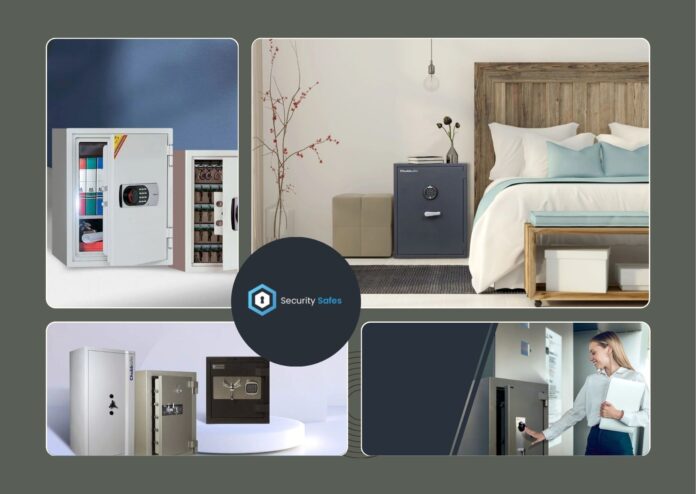
Spot the Risks Before You Buy
Many households and small businesses assume their valuables are protected simply because they are “out of sight.” In practice, security issues often start with weak storage habits, such as keeping documents in drawers, laptops in open offices, or jewellery chubb safes in unsecured cabinets. A burglary is rarely a careful operation, and opportunists look for the quickest route to easy rewards. When your storage plan is inconsistent, even a single lapse can expose everything.
Another common problem is unclear security requirements. People might buy a safe for one category of items, then gradually store more without reassessing protection levels. Over time, that can include passports, contracts, spare keys, electronics, and cash—each with different risks and handling needs. The solution is to review what you’re protecting, how often you access it, and who else may need authorised entry.
Match Security Levels to Real-World Needs
Not all safes provide the same resistance to forced entry, and that difference matters when you’re protecting high-value items. A safe deposit environment demands stronger barriers, because criminals may spend less time onsite and rely on brute-force attempts. That’s why reliable safe deposit boxes locking systems and body construction are essential, rather than relying on weight alone. Choosing the right protection level helps reduce the chance that an intruder can break in quickly enough to steal what’s inside.
Access control also affects outcomes. If a safe is difficult to open during emergencies or authorised visits, users may avoid using it, which undermines the entire security plan. Consider factors such as bolt locking behaviour, user-friendly operation, and how the safe integrates with your workspace routine. When you match the safe’s design to how you manage items, you get better compliance and fewer “temporary” storage mistakes.
Improve Safety at Home and Work
At home, valuables often sit in multiple locations, which increases the risk of misplacement and theft. A consistent approach using a secure storage unit can protect important belongings like legal documents, family records, and replacement devices. For work environments, staff turnover and access changes can create security gaps if documents and sensitive items are stored casually. A properly selected safe helps standardise storage so items are kept secure regardless of who is on shift.
Many owners also underestimate how convenient security can be when the right system is installed. Clear organisation inside the safe reduces the time spent searching, which in turn supports safer handling of cash, keys, and paperwork. If you handle sensitive data, contracts, or forms regularly, a reliable locking mechanism and practical internal space can make routine tasks smoother. This is where quality solutions from respected manufacturers can deliver both security and day-to-day usability.
Conclusion
Choosing the right security solution is a problem-solution process, not a one-time purchase. Start by identifying what needs protection, then match the level of resistance and access style to your household or business routine. When you make that decision thoughtfully, you can protect documents, valuables, and important belongings with far more confidence and consistency. To reduce risk, don’t wait until an incident forces a change. Use a secure storage plan that supports how you live and work, and ensure items are always stored the moment they’re no longer required. If you want help choosing a safe that fits your requirements, explore the range at Security Safes. With the right selection, you can turn everyday security concerns into a dependable system.