


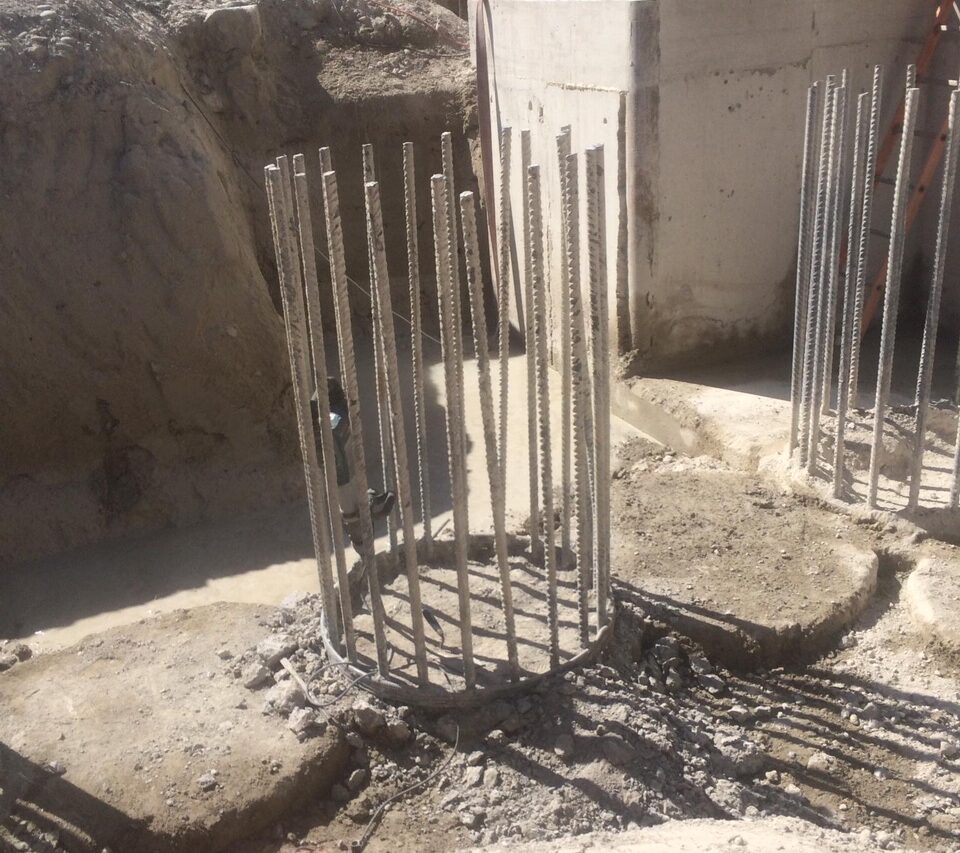
Digging dirt out is tough work on just about any site you run. When excavating soil to build basements, tunnels or deep foundations, the surrounding soil must be stable in order to protect the safety of the workers, surrounding buildings, and underground utilities. One of the best retaining walls to use in such a situation is a secant wall. These linked posts give solid ground support, which lets field pros tackle rough site spots with real trust and far better speed.
Understanding Wall Construction
A sequence of overlapping bored concrete piles is installed to form a secant wall. Primary piles are formed first, and then the secondary piles are formed and overlapped with the previous piles. This process gives a continuous structure which can resist horizontal soil pressure.
The resultant wall is more continuous than many other retaining wall systems, due to the piling overlapping each other. This makes it ideal for projects that require stability and accuracy.
Improving Ground Stability
One of the critical aspects of deep excavation is ground movement. If not managed, any amount of soil movement can cause damage to the surrounding structures, roads, and/or utility systems.
This risk can be minimized by using a secant wall to prevent the surrounding soil from moving during this excavation. Continuous overlapping piles distribute the ground pressure well so that excavation can be continued without loss of stability around the piles.
Supporting Safer Worksites
Relying on protective equipment is not enough to ensure a safe construction site. Solid pit edges matter a lot too. They cut the risk of sudden soil shifts as you build the base.
A secant wall offers a stable foundation for construction workers, ensuring their safety and security. Stable excavation faces also allow for easier access for equipment, and help to minimize interruptions, so that various trades can finish their work more efficiently throughout the project.
Playing In Difficult Conditions
The site conditions at construction projects can be difficult, such as loose ground, different geological layers and high groundwater. Retaining systems that will adapt to such conditions without reducing the performance of the structure are required by the engineer.
A secant wall can be designed to accommodate a variety of ground situations and makes an effective wall in a wide variety of projects. Before construction, the design engineers use geotechnical investigations and structural calculations to decide on the pile diameter, pile overlap, reinforcement and the depth of the piles.
Long-Term Structural Value
A secant wall is one of the many types of retaining systems that can be left in place after the excavation. It can be used for temporary excavations as well as permanent structures.
Due to its long-lasting performance, it plays a part in the durability of basements and underground structures, such as transportation and commercial projects. Dig shoring can stay as part of the main final build too, which speeds up job steps and makes project plans much easier to run.
Conclusion
Solid digging support matters most, whether you deal with big jobs that need a secant wall or just need safe ground to build a base. You see it across civil work to hold soil back, keep sites safe, and handle tricky ground. Sharp design and good site plans make all the difference here. To check out better retaining systems and ground fixes, visit Brextor.com for clear tips and real industry knowledge.