


Two capsules can both say turmeric on the label. Inside, they may be very different. One holds a pale, weak powder. The other holds a deep orange extract with real punch. The gap often starts at the factory, and a good turmeric extract manufacturer will tell you exactly how the root was processed and why that choice matters.
Curcuminoids are the active compounds in turmeric. Purity depends on how they are pulled out and cleaned up. This article explains the main methods in plain words. If you buy, sell, or just swallow golden supplements, a few simple facts can help you read a spec sheet with more confidence.
Raw Root Versus Pure Extract
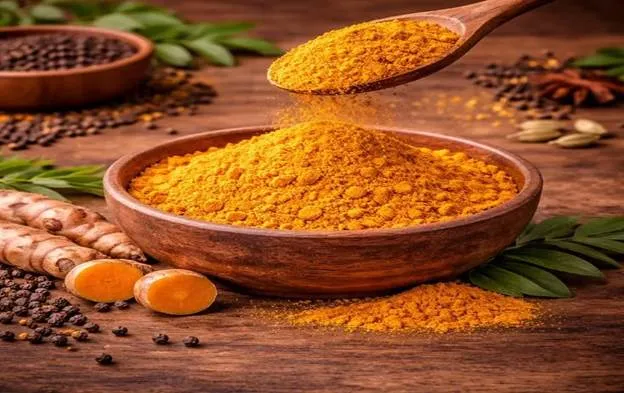
Plain turmeric powder is just ground root. It holds only about 2 to 5 percent curcuminoids, and the rest is starch, fiber, and oils. That is fine for cooking. For a supplement with a clear dose, it is thin.
Extraction concentrates the good part. A strong extract can reach 95 percent curcuminoids, which is a huge jump. Smaller capsules can then carry a bigger dose. Check the label for the percentage, not just the word turmeric. If no number appears, ask why.
Solvent Extraction Explained Simply
Most commercial extracts use a solvent. Ethanol is a common pick, and so are ethyl acetate and acetone. The ground root soaks in the liquid, the pigments dissolve, and the solids are filtered out. The solvent is then removed, leaving a thick, bright concentrate.
It works well and scales up easily. Still, the details matter. Time, temperature, and solvent choice change the yield. Leftover solvent must stay under safe limits, so ask for residual solvent test results. A careful plant shares them without a long delay.
Supercritical CO2 and Clean Methods
Supercritical CO2 uses pressurized carbon dioxide as the solvent. It leaves no chemical residue behind, because the gas simply escapes. Many buyers like that story. The method is gentle on heat, which helps protect delicate compounds.
It costs more, though, and the equipment is not cheap. A curcumin manufacturer may use it for premium lines and save solvent methods for budget ones. Neither route is wrong. Pick the one that matches your price point, your claims, and the customers you serve.
Crystallization Raises the Purity Bar
After the first extraction, the mix still holds oils and other plant bits. Crystallization cleans it further. The extract is dissolved, cooled, and allowed to form crystals, which are collected and washed. It is slow work, a bit like making rock candy.
Repeating the step pushes purity higher, but yield drops each time. That is why very pure curcumin costs more. Ask what percentage the final crystal reaches and how it was tested. Anything near 95 percent should come with a clear lab report.
Heat, Light, and Handling Losses
Curcuminoids are sensitive. Long heat, strong light, and high pH can break them down. A great extraction can still lose value if drying runs too hot or storage is careless. Color shifts, from bright orange toward brown, can be an early sign.
Good plants dry at moderate temperatures and pack the product in sealed, light blocking containers. Ask about shelf life studies. A supplier who has tested real storage conditions can show you numbers. One who has not may be guessing, and that should make you pause.
Testing Purity Like a Pro
HPLC is the standard lab test. It separates the three main curcuminoids and measures each one. A proper report lists curcumin, demethoxycurcumin, and bisdemethoxycurcumin, plus the total. Spectrophotometer checks are quicker, but they can overstate purity.
Also request tests for heavy metals, pesticides, and microbes. Turmeric has had adulteration problems in the past, including added dyes. Third party testing adds a second set of eyes. Compare reports from several lots. Honest data moves a little, and that is normal.
Conclusion
Extraction method shapes purity, cost, and stability. Solvent extraction is common and efficient, supercritical CO2 is cleaner but pricier, and crystallization pushes purity higher. Handling after extraction can still undo good work, so the whole chain matters, from root to bottle.
When you shop for ingredients, ask direct questions and read the lab reports closely. For more sourcing tips and ingredient guides, visit foodrgb.com and browse the resources. A little homework before you order can protect both your product and your customers.