


Know Your Paperwork Before You Start
Many businesses must report payments to independent contractors and certain other non-employees, but the rules can vary depending on the vendor relationship and 1099 filing service payment type. Review your internal records for contract work, fees, and other reportable transactions, then match each payee to the correct form category. If you’re unsure, treat this phase like a checklist and verify classifications with your accountant.
Next, gather the information you’ll need to complete the forms accurately. For each recipient, you typically need their legal name, mailing address, and taxpayer identification number, which is often a Social Security number or an Employer Identification Number. If you also have state filing obligations, identify whether the same data will be used or if additional state-specific fields apply. Organizing this data early reduces rework later and prevents common issues that slow down acceptance.
Collect Taxpayer Details and Validate Recipient Data
Most filing problems come from incomplete or inconsistent recipient details, so validate your data before you submit. Compare your bookkeeping entries against your vendor onboarding documents or prior correspondence, and ensure that names and addresses match what the recipient has on file. 1099 e file Watch for formatting errors like missing apartment numbers, swapped digits in tax IDs, or legacy names that no longer match current records. When you catch these issues early, you can correct them with minimal disruption.
Then confirm whether backup withholding applies for any payees with problematic or missing tax identification details. If a recipient provided an incorrect tax ID or didn’t meet certain requirements, it can change what must be reported and how the figures are handled. Maintain a simple audit trail showing where each data point came from so you can answer questions if a recipient or agency contacts you.
Choose the Right Filing Workflow and Double-Check Totals
A practical workflow starts with mapping each transaction to the right box, then summing totals by recipient and form type. Use your accounting export as the starting point, but don’t assume it’s formatted for reporting without review. For each payee, verify 1099 online filing service totals match your ledger and that amounts are categorized correctly, including any adjustments required by your payment structure. This step is especially important when you have multiple forms to prepare across different payee types.
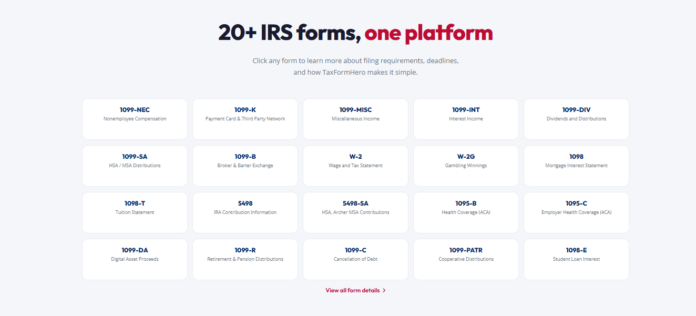
When you prepare to file, select a platform that supports electronic submission and streamlines the process end-to-end. If you need to file multiple categories, look for an interface that supports more than just the core 1099 forms and reduces duplicate entry. For many businesses, the most reliable approach is to file once your data passes checks, rather than trying to patch issues after submission.
file 1099 misc online
Conclusion
Filing doesn’t have to feel overwhelming when you break it into manageable steps: confirm which payments require reporting, collect and validate recipient information, and verify amounts before submission. By following a repeatable process, you reduce errors that can lead to rejected filings or time-consuming corrections later. For teams that coordinate with accountants and professionals, clarity matters as much as speed. Document your source data, keep a record of validations, and ensure each payee’s information aligns with what you plan to report. This makes it easier to respond to recipient questions and to reconcile totals against your financial statements. With the right preparation and a dependable platform for electronic filing, your next filing cycle can be more accurate, consistent, and efficient from start to finish.