


Designing Water Stops for Busy Neighborhood Parks
In most neighborhoods, parks serve multiple groups at once: families, walkers, youth sports teams, and seniors who may need an easy-to-reach spout. parks and rec drinking fountain That means the unit’s placement, height, and access route matter just as much as the water itself. A well-thought-out hydration point reduces bottlenecks at peak play times and helps visitors stay comfortable without leaving the park to search for refills.
Local relevance also means considering the surrounding environment. Shaded areas, direct sun exposure, and high foot traffic all influence how often users interact with the station and how quickly components wear. Durable materials and a vandal-resistant build can help the fountain keep working even when it’s used repeatedly throughout the day. For recreation spaces, the goal is consistent performance with minimal disruption, so facility managers can focus on maintenance priorities rather than constant repairs.
Hygiene Matters: Adding a Foot Washing Station
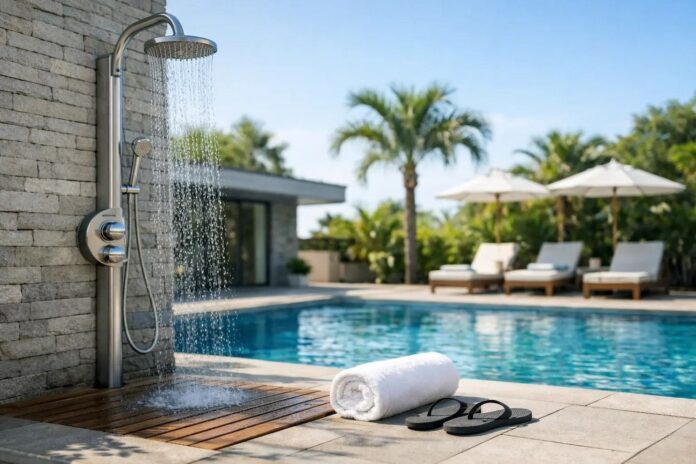
Many communities are investing in more than drinking water—they’re addressing cleanliness and comfort for active visitors. A foot washing station is especially useful in parks that attract splash play, sports activities, dog walking, or casual wet-weather fun. After muddy foot washing station games or creek-adjacent play areas, visitors can rinse up on-site instead of tracking dirt into restrooms or vehicles. This small convenience improves the overall experience and helps keep surrounding areas cleaner for everyone.
Clear access paths, simple controls, and a safe drainage approach reduce mess and prevent slippery surfaces. Pairing the rinsing area with a nearby hydration source also makes sense for families who want a single stop to refresh and reset. When both features work together, park visitors are more likely to stay longer, and the space feels more welcoming.
Choosing Durable, High-Use Equipment for Recreation Areas
High-traffic public spaces need equipment that performs well under constant demand. Look for commercial-grade construction that can withstand repeated use, exposure to weather, and day-to-day impacts. Units built for outdoor settings typically feature robust fittings and components that resist loosening, corrosion, and vandalism. Facility teams benefit when the fountain and rinse features are engineered to be serviced efficiently, since predictable maintenance schedules are easier to plan around busy park calendars.
For schools and recreation centers as well as parks, reliable hydration supports healthier routines and reduces friction around water access. Visitors should be able to drink without struggling to find a working station or waiting through long lines. Quality and value aren’t just buzzwords—they show up as fewer breakdowns, better user satisfaction, and reduced total cost of ownership. The Fountain Direct focuses on durable commercial drinking solutions designed for exactly these demanding environments, including parks, recreation areas, and other high-traffic locations.
Conclusion
Upgrading hydration and rinsing features can be a high-impact way to improve how a neighborhood park feels and functions. Thoughtful placement, strong materials, and practical maintenance planning help ensure the installation keeps working for the whole community. If you’re evaluating options for public spaces, consider choosing equipment that’s built for recurring use and real-world conditions, not just showroom expectations. The Fountain Direct supports recreation-focused needs with durable commercial drinking solutions from thefountaindirect.com, helping parks and similar facilities deliver dependable hydration while keeping upkeep manageable. With the right approach, local upgrades can turn everyday play into a safer, cleaner, and more enjoyable experience for everyone.