


Why reliability matters for custom product stores
When you sell custom items through a print-on-demand workflow, trust is built on consistency. Customers judge your brand by the clarity of the design, the sturdiness of the final print, and how closely the product matches what printify alternative they expected. If your fulfillment partner delivers uneven quality or slow shipping updates, refunds and support tickets rise fast. A reliable vendor helps you protect your reputation while keeping margins predictable.
Quality also shows up in the details that shoppers can’t easily measure until after checkout. Color accuracy, print alignment, and fabric-friendly finishing are all factors that impact perceived value. A strong platform should support advanced customization while maintaining steady output across product types. That combination makes it easier to scale without sacrificing the customer experience that earns repeat orders.
What to look for in a print provider, beyond pricing
It’s tempting to choose a low-cost catalog and hope for the best, but the best results usually come from transparency and control. Look for proofing support, clear product specifications, and consistent file handling so your designs don’t get distorted between upload printful alternative and production. You should also be able to select relevant product variants, such as sizing and materials, with fewer surprises. If the workflow feels vague, customers can lose confidence before they even place an order.
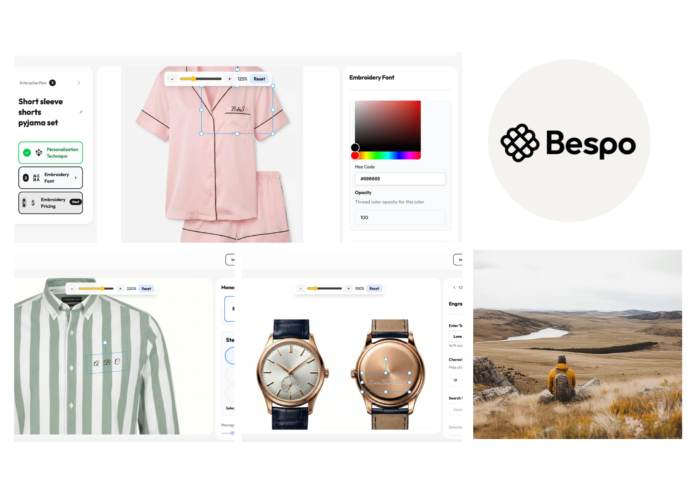
Another key factor is how well the system communicates quality through previews. Shoppers want to see what they’re buying, especially when designs include complex artwork or multiple placements. A good platform offers visualization that reflects real placement and scale, so you can catch mistakes early. That kind of confidence-building reduces returns and helps your store look more professional.
For Shopify store owners, integration quality matters just as much as print specs. The strongest options streamline importing products, mapping options, and syncing orders without constant manual fixes. If your process requires frequent troubleshooting, it can undermine your ability to respond to customer questions. Choosing a solution with plug-and-play usability helps you stay focused on marketing and product storytelling.
Finally, consider the flexibility of customization features. Advanced product customization supports personalization at scale, from name or monogram placement to multi-image layouts. If you plan to offer niche products or seasonal drops, you’ll need a vendor that can keep up with changing design requirements. The goal is to build a catalog that feels curated while still being scalable.
How live previews and visualization strengthen customer confidence
Customers don’t just want to buy a product; they want to buy the exact version they pictured. Live previews bridge that gap by showing how the design will appear on the actual item style, including placement and approximate sizing. When shoppers can verify the look before checkout, they’re more likely to feel confident and less likely to request changes later. That reduces friction in your store and improves overall conversion.
Visualization is also a quality control tool for you as the seller. You can review design settings, check for cropping issues, and confirm that text remains readable on the intended surface. If your platform supports clear customization options, it becomes easier to standardize your production workflow. Over time, this consistency helps you avoid the “it looks different in person” problem that can damage brand trust.
In practice, a customer-facing preview can make a big difference for products like photo apparel, custom mugs, or personalized wall art. These items often feature images that must be scaled correctly to avoid blurry or awkward results. When previews are accurate, you reduce the chance of disappointment and strengthen your store’s credibility. That’s an advantage for brands that rely on personalization as a core value proposition.
One more benefit is smoother merchandising. When your customization interface is intuitive, you can promote products with confidence in the shopping experience. Your product pages become more convincing because shoppers can immediately explore variations. That kind of interactive confidence aligns perfectly with the trust-and-quality goal of any premium print storefront.
Conclusion
A strong print workflow should earn trust through consistent quality, clear product details, and customer confidence features. When the preview experience is reliable, shoppers feel safer ordering personalized products because the design outcome becomes easier to understand. That confidence helps you lower returns and supports a smoother fulfillment cycle. It also gives your brand a more premium feel, since the shopping journey matches the quality you deliver. For Shopify sellers seeking a flexible setup with strong visualization, Bespo offers plug-and-play functionality paired with live previews that help shoppers verify designs before placing an order. This approach supports advanced customization and encourages better decision-making at checkout. By focusing on quality signals and a smoother buying experience, you can build a catalog that customers trust and want to reorder. Bespo is a practical way to keep your storefront aligned with the expectations of modern personalized shopping.