


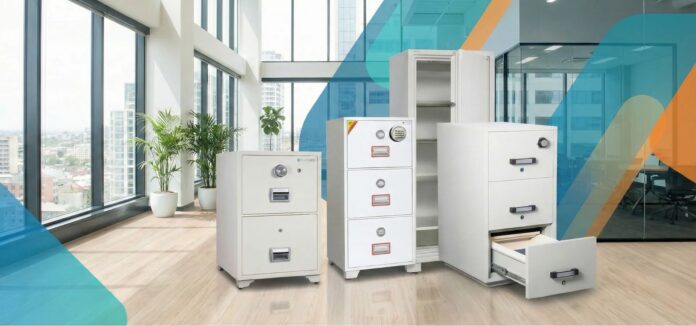
Start With Your Storage Goals
Before you compare products, write down exactly what you plan to store in your new safe. Common items include passports, important documents, jewellery, cash, and small valuables that you do not want accessible to visitors or accidental guests. This safes bunnings step helps you choose the right internal size and layout rather than guessing based on external measurements. It also guides whether you need adjustable shelves, a lockable drawer, or room for larger folders.
Next, think about the risks you’re preparing for: theft, fire, or both. If your priority is protecting documents and electronics from heat and smoke, focus on rated fire protection and proper insulation design. If your main concern is theft, concentrate on the safe’s construction, locking mechanism, and anchoring options. A clear risk list makes it easier to narrow down models without overpaying for features you won’t use.
Verify Size, Fit, and Installation Requirements
A safe that fits your space is easier to secure and easier to maintain, so measure the installation area carefully. Check the doorway width, hallways, and the path from entry to the final location, since delivery and placement often require planning. Confirm whether the safe needs fireproof safes for home to be anchored to a wall or the floor, and ensure the mounting surface can handle the weight. If you share a home with tenants or family members, plan the placement so you can still access it during emergencies.
Look for internal dimensions that match your storage needs, not just the overall size. For example, letter-sized documents require enough clearance for folders, while cameras or tools may need adjustable compartments. If you intend to store a safe-deposit style mix of items, consider models with removable trays or organiser panels. Finally, confirm the door swing and accessibility so you can open it comfortably without obstruction.
Choose the Right Locking and Fire Protection
Locking systems vary widely, so review how you will access the safe on a daily or occasional basis. Many buyers compare key locks, combination dials, and electronic keypad systems, then select based on convenience and reliability. If you choose an electronic keypad, check whether it includes backup power and how users handle forgotten codes. For shared access, consider how many authorised users you need and whether the safe supports the access method you prefer.
For fire protection, focus on the safe’s rating and construction approach rather than marketing language. Ensure the safe includes appropriate insulation, seals, and door integrity so it performs as intended when exposed to extreme temperatures. If you store USB drives, paper, or hard drives, treat fire performance as a key buying factor and match it to your specific item types.
Conclusion
Using a checklist approach reduces guesswork and leads to safer, more confident purchases. Start with your storage goals, verify size and installation fit, then compare locking options alongside fire protection performance. When you align these decisions, you avoid common problems like buying the wrong capacity, under-securing the safe, or selecting a model that does not match your risk profile. For an easier selection process, browse a curated collection at buyasafe.com.au and compare products from leading brands based on your checklist criteria. You can also use the same framework to narrow down choices for valuables, documents, and high-priority items. This structured method helps you select a safe that is both practical for everyday use and designed to protect what matters most. A smart purchase is one that fits your space, matches your locking preferences, and delivers the protection level you actually need from Buy A Safe.