


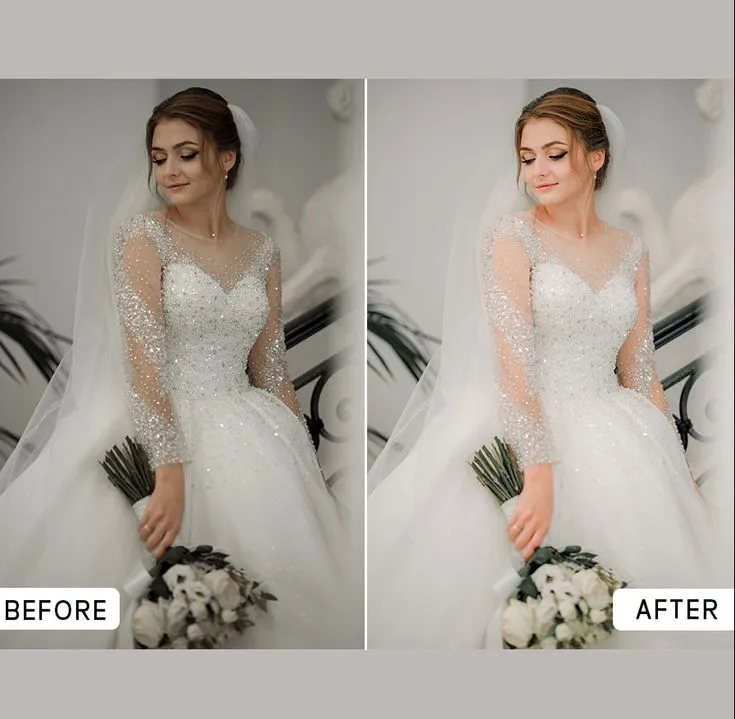
A wedding gallery is not finished when the photographer packs away the cameras. The work afterward can shape the final collection just as much as decisions made during the event. Editing is not simply about adding a filter or making every image brighter. It involves selecting the strongest frames, correcting technical inconsistencies, refining color and exposure, and creating a gallery that feels coherent from the first photograph to the last. Understanding that process helps couples know what professional editing actually contributes.
Start With Careful Image Selection
A wedding can produce thousands of frames because photographers often capture several versions of fast-moving moments. Blinks, duplicate expressions, test exposures, and near-identical sequences do not all belong in the final gallery.
The first stage is usually culling: reviewing the full set and choosing photographs that best represent each moment. Couples investing in Burnsville Nc Wedding Photography should expect a curated collection rather than every shutter press. Selection is part of storytelling because it removes repetition while preserving the expressions, interactions, and transitions that make the day feel complete.
Correct Exposure Without Changing the Moment
Wedding days move through very different lighting conditions. A dim reception may follow a bright outdoor ceremony, while getting-ready rooms can contain both window light and artificial fixtures.
Editing helps balance those differences. Exposure can be refined so faces remain readable, highlights retain useful detail, and darker areas do not become unnecessarily muddy. The objective is not to make every photograph equally bright. Good editing preserves the atmosphere of the original scene while correcting distractions caused by rapidly changing light.
Keep Skin Tones Consistent
Skin tones are one of the clearest indicators of careful wedding editing. Mixed indoor lighting, colored DJ lights, greenery, and reflective walls can introduce color casts that make people look different across the gallery.
An asheville north carolina wedding photographer may adjust white balance and color so skin remains believable while the environment retains its character. The goal is not to remove every warm or cool tone, but to prevent lighting conditions from making people look unnatural.
Use Cropping and Straightening With Purpose
Composition can also be refined after the wedding. Small crops may remove distracting edges, strengthen balance, or bring attention closer to an expression. Straightening can correct horizons, architectural lines, or frames made quickly during movement.
These adjustments should support the original photograph rather than reinvent it. Excessive cropping can reduce image quality or remove useful context, so experienced editing tends to be selective. An environmental portrait, for example, may need surrounding space because the setting is part of the story.
Understand the Limits of Retouching
Couples sometimes assume professional editing includes extensive retouching of every person and object. In most wedding workflows, that is not realistic or desirable. Basic corrections may address temporary distractions, but the goal is usually to keep people recognizable as themselves.
Major body reshaping, replacing backgrounds, removing many guests, or dramatically altering clothing can move beyond standard wedding editing. Couples with specific concerns should ask about retouching policies before the wedding rather than assuming every requested change will be included afterward.
Choose Black and White Selectively
Some photographs become stronger in black and white because color is not essential to the moment. Removing competing hues can emphasize expression, movement, light, or texture.
That does not mean every image needs both a color and monochrome version. Selective conversion usually creates a more intentional gallery. Photographers may choose black and white when it improves emotional clarity, while preserving color where flowers, décor, clothing, or the setting contribute important information.
Create Consistency Across the Entire Gallery
The final challenge is making hundreds of photographs feel like one collection. Editing needs to work across morning preparations, ceremony light, portraits, dinner, speeches, and the dance floor without forcing every scene into an identical look.
Consistency does not mean uniformity. A candlelit reception should still feel different from an afternoon portrait session. Instead, the photographer balances color, contrast, exposure, and overall style so transitions feel natural. That cohesion separates a group of edited images from a finished wedding gallery.
Conclusion
Professional wedding editing combines technical correction with visual judgment. Culling removes repetition, exposure and color adjustments improve consistency, thoughtful cropping strengthens composition, and selective black-and-white treatment can give certain moments greater impact. At the same time, good editing respects the reality of the wedding rather than trying to transform every photograph into something artificial. Couples who understand the process can evaluate photographers more effectively and set clearer expectations about what happens after the event. The finished gallery should feel polished, coherent, and recognizable as the day that was actually experienced.